Now Pitching
Please reach out with any queries about the translation projects below.
I’d love to tell you more about them.
Aquarium Fish
Rafaela Tavares Kawasaki (São Paulo: Urutau, 2021)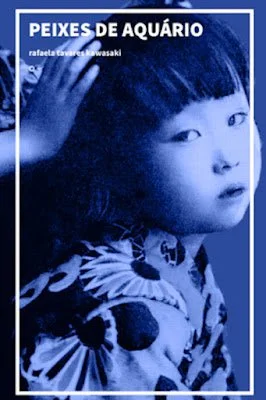
Shortlisted for the Mix Literary Prize (2021)
Recipient of a 2026 PEN/Heim Translation Fund Grant
A contemplative, female-focused family saga with a mystery at its core and a unique perspective on the lives of members of the Japanese diaspora in rural Brazil.
Split over two timeframes, Aquarium Fish explores the stories of Japanese immigrants and their descendants in the Brazilian state of São Paulo in the 1940s and 90s. As the Fujikawa sisters navigate loss, discrimination and familial expectations, the narrative touches on issues of memory and belonging, all while shining a light on the Brazilian government’s persecution of Japanese colonists during World War II.
Written in Kawasaki’s characteristic lyrical prose, the novel gives voice to an often-overlooked community, presenting a fresh take on the experiences of Japanese women, a subject which continues to be popular in narrative fiction.
My sample of Aquarium Fish has been awarded a prestigious PEN/Heim Translation Fund Grant by PEN America, which will provide financial support for the completion of the project.
About the author:
Born in Araçatuba, São Paulo, in 1987, and raised between Brazil and Japan, Rafaela Tavares Kawasaki is a writer and journalist currently based in Curitiba, Paraná. Her publications, which often focus on the experiences of Japanese Brazilians, include the short story collection, Enterrando gatos (Patuá, 2019), and the book of poetry, Memórias de água (Telaranha, 2025). Aquarium Fish is her first novel.
Readers’ opinions:
“A book that’s complex in its execution, full of layers and echoing voices. But don’t go thinking it’s a difficult book to read. The writing flows like water in a stream.”
Gaby Marques, influencer (Instagram: @retratodaleitora)
“A deep dive encapsulating the immigrant experience and its particularities – the shared grief, the silence, the conflict of identity.”
Laura Redfern Navarro, blogger (matryoshkabooks.medium.com)
Lillias Fraser
Hélia Correia (Lisbon: Relógio d’Água, 2001)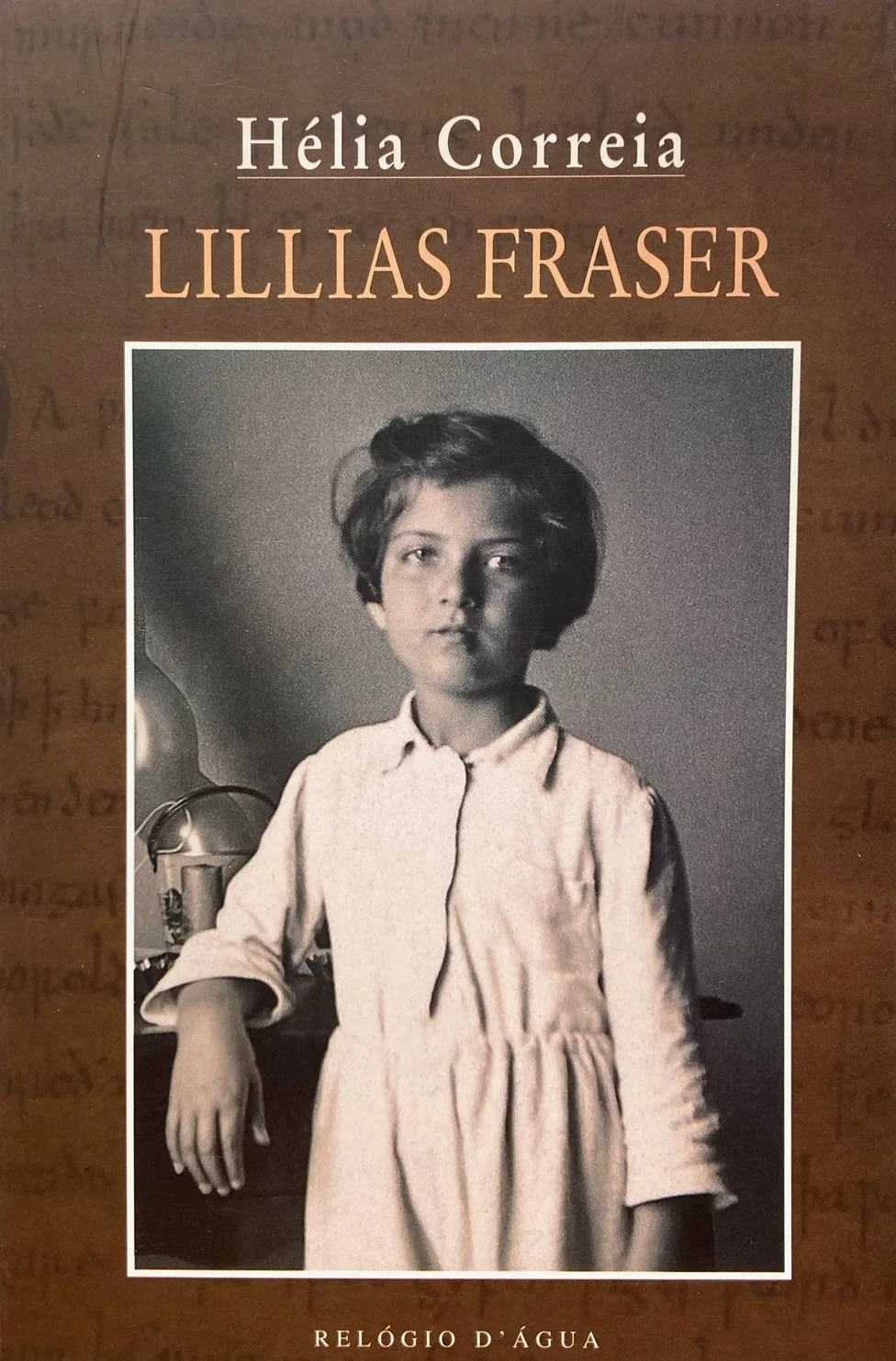
Winner of the Portuguese PEN Club Prize for Fiction (2001)
Winner of the D. Dinis Award
(2001)
A continent-spanning historical novel with flashes of magical realism and a dark, gothic streak.
A contemporary classic by one of Portugal’s most decorated living authors, Lillias Fraser follows its eponymous heroine across an 18th-century Europe ravaged by war and natural disaster. Gifted with the ability to foresee the deaths of those around her, but powerless to change their fate, Lillias wanders from the blood-soaked Scottish Highlands to Inquisition-wracked Lisbon, bearing witness to defining historical events and meeting a cast of memorable characters along the way.
Narrated by a voice with a wickedly ironic sense of humour and a knack for effectively immersing the reader in a time long past, the novel would be right at home in a literary landscape that has seen authors such as Maggie O’Farrell and Jessie Burton flourish.
About the author:
Hélia Correia (Lisbon, 1949) is an acclaimed Portuguese author, whose multifaceted work encompasses novels, short stories, poetry and drama. Breaking onto the literary scene with O separar das águas (A Regra do Jogo, 1981), she went on to achieve particular success with the novels, A casa eterna (Dom Quixote, 1991), Lillias Fraser (Relógio d’Água, 2001) and Adoecer (Relógio d’Água, 2010). Her fiction, which weaves together inspirations as varied as Greek tragedy, the Brontës and Portuguese folk tales, is known for its imaginative fusion of the real and the fantastical and its idiosyncratic use of language. In 2015, Correia was awarded the Camões Prize, one of the highest honours in Portuguese-language literature.
Readers’ opinions:
“The great modern Portuguese novel […] It takes your breath away.”
Maria Teresa Horta, in interview with RTP
“The plot of Lillias Fraser […] makes for a finely engineered thrill. It could be made into a period film, and an epic one at that. The screenplay’s all here, in this excellent novel.”
Ernesto Rodrigues, Expresso